

Trademark Enforcement – Protecting Brand Name, Logo, and Market Trust
A trademark is the identity of a brand. It includes business names, logos, taglines, product names, packaging styles, symbols, and unique elements that customers instantly recognize. Trademark infringement happens when another person or business uses a similar name, design, or branding style to confuse customers and earn profit unfairly.
Trademark enforcement is important because a brand takes years to build trust, but a fake copy can damage that trust within days. Many customers unknowingly buy counterfeit products thinking they are genuine. When the quality of those fake items is poor, customers blame the original brand—resulting in reputation loss, customer dissatisfaction, and reduced market confidence.
Infringement is commonly found in online marketplaces, local markets, duplicate websites, fake social media pages, and illegal product distribution networks. Some sellers copy branding to look authentic, while others create identical packaging to mislead customers. That is why trademark enforcement is not only about removing a fake name—it is about stopping a complete chain of illegal activity.
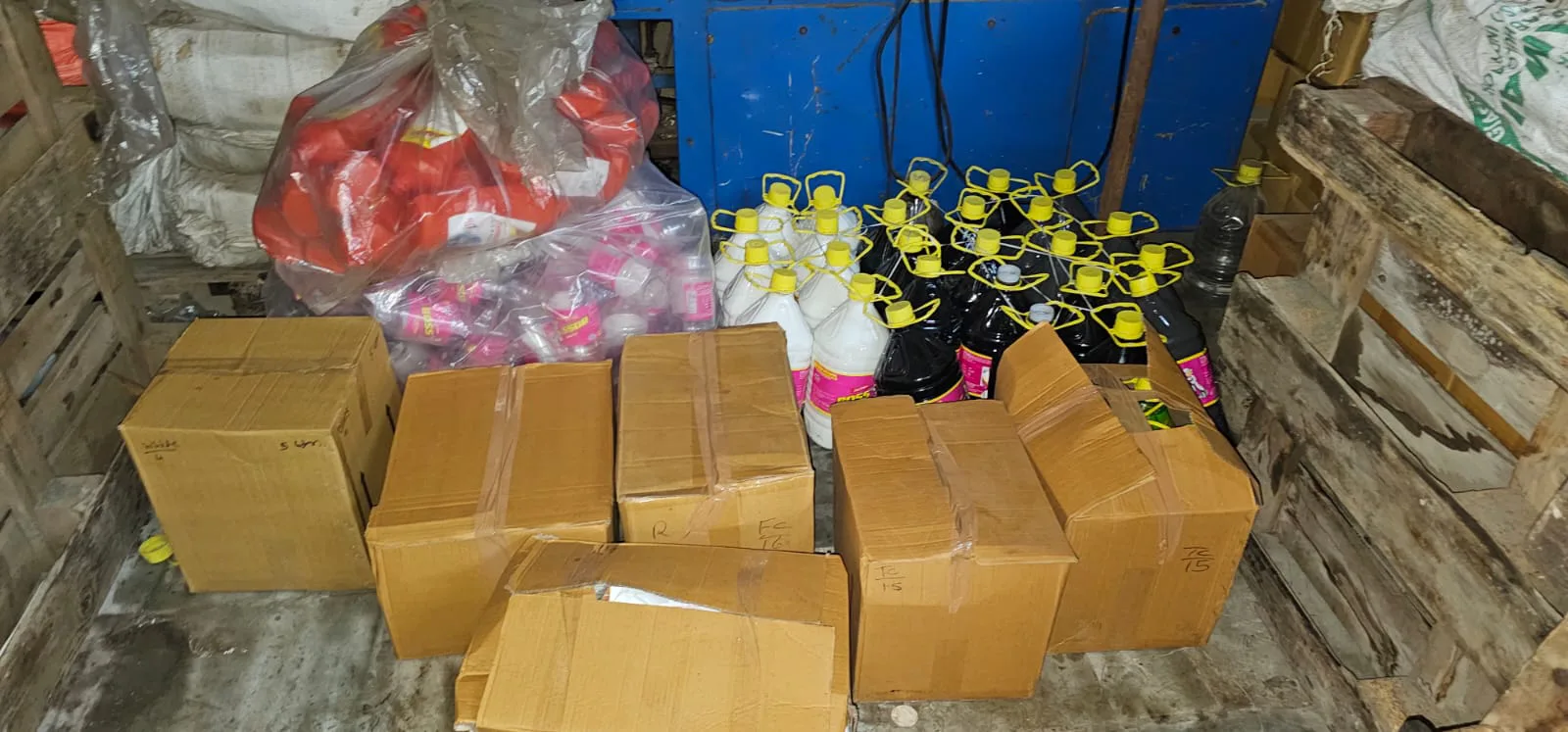
The enforcement process starts with identifying the infringement and collecting valid evidence. Evidence may include product samples, packaging photos, market or store details, online screenshots, and purchase proofs. Once evidence is organized properly, brands can proceed with strong actions such as issuing cease-and-desist notices, submitting takedown requests, and taking legal steps under applicable trademark laws.
Trademark enforcement also supports safe and confident brand growth. When a trademark is protected, businesses can expand into new markets without fear of misuse. It also improves brand credibility, strengthens customer loyalty, and blocks unfair competition in the industry.
Most importantly, taking quick action matters. Delays allow counterfeit sellers to spread faster and mislead more customers. Regular monitoring and early response reduce financial loss and protect brand value before the problem becomes bigger.
Overall, trademark enforcement is not just a legal need—it is a business protection strategy. It secures brand identity, maintains market trust, and ensures long-term success in a competitive environment.
Trademark Misuse You Should Watch For
Similar business name or duplicate logo usage
Fake packaging or product design copying
Counterfeit products in local or online markets
Fake Instagram/Facebook pages and duplicate websites
Sellers using your brand name in ads to mislead
Strong Evidence That Supports Trademark Action
To take proper trademark enforcement action, strong and clear proof is always required. This evidence helps confirm that your brand name, logo, or design is being misused and supports faster removal or legal steps. The most useful proof includes screenshots of copied product listings along with direct online links from websites or marketplaces. Packaging photos are also important, especially when they clearly show similarities in logo, brand name, color theme, or overall design.
In many cases, purchase proof such as invoices, receipts, or order confirmations is helpful, along with product samples for verification. Seller-related details also play a major role, such as shop location, marketplace store information, online seller profiles, and contact details. Along with this, date and time records like timestamps, upload dates, or repeated misuse history help prove when the infringement started and how long it has been happening.